Where real estate meets fintech: escrow, fractional ownership and rent-now-pay-later in Saudi Arabia
Property has always been the largest asset and the slowest deal. What has been happening in Saudi Arabia since 2024 is that the financial layer on top of property went digital: escrow accounts for off-plan projects, regu…

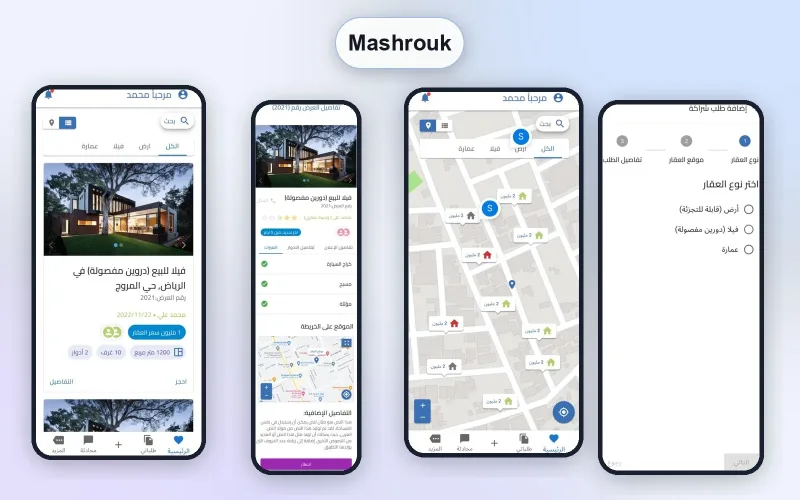
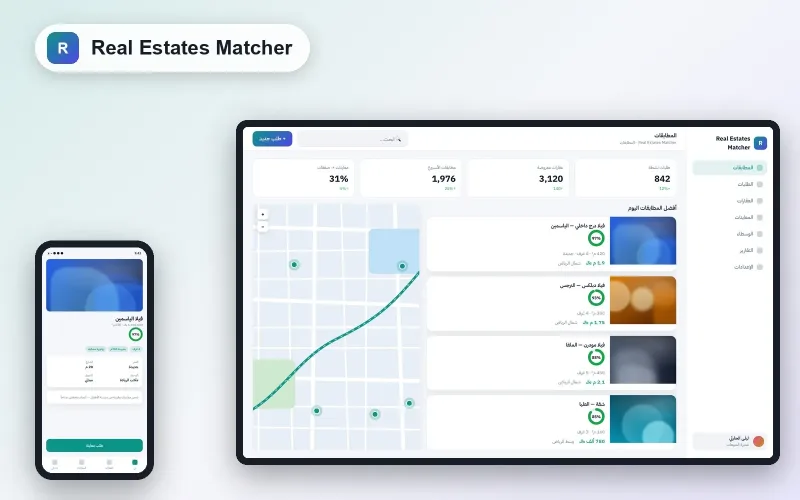
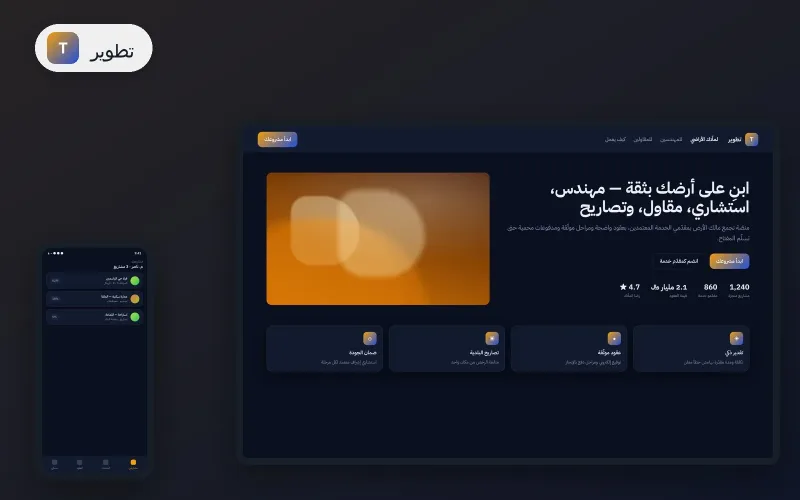
Property has always been the largest asset and the slowest deal. What has been happening in Saudi Arabia since 2024 is that the financial layer on top of property went digital: escrow accounts for off-plan projects, regulated fractional ownership, documented tenancy through Ejar with flexible payments, and the Sakani portal as a single gateway to housing. We built four platforms on that layer — Mashrouk, Real Estates Matcher, RealEstate Hub and Tatweer — and share here how the pieces connect.
1) Escrow: trust as a bank account
An escrow account separates the buyer’s money from the developer until release conditions are met (a construction stage, handover, consultant approval). Technically that means: every payment is booked against a milestone, every milestone has evidence (report, photos, consultant signature), and release is a documented event. In Tatweer we tied payments to milestones approved by the consultant; the contractor does not see the payment before approval, and the owner does not pay before the evidence.
2) Fractional ownership: dividing the asset without dividing trust
Mashrouk lets individuals own shares in income-producing property. The financial parts the investor never sees are what make the product: eKYC before the first riyal, automatic distribution of returns by share, a tamper-proof ownership ledger, and a clear exit (selling the share to another investor inside the platform). AI here explains the contract in plain language and answers “what if the majority sells?” before signing.
In collective property finance, the most dangerous feature is the one that is not explained. Transparency is not marketing; it is the structure.
3) Rent now, pay later
Annual rent paid upfront is a burden on the tenant and a risk for the owner. The new model: a contract documented in Ejar, monthly payments through a financing provider, and the owner receives the full amount. For a platform like RealEstate Hub that means adding “preliminary approval” to the listing page — the tenant knows their limit before calling, and the broker saves failed viewings.
4) Booking on Sakani and what follows
Subsidised units are released and vanish within minutes. We built a system that watches and completes the reservation on behalf of a user authenticated with their mobile code (the story is here). What follows the booking is financial: financing, the down payment, and the contract — and that is where all the pieces above meet in one path.
The shared structure of any property-fintech product
- Verified identity (Nafath / eKYC) before any financial commitment.
- An internal ledger for every movement: who, how much, against what, with evidence.
- A release/settlement event with written, auditable conditions.
- E-signature with a timestamp for every contract and share.
- A notification that explains: “September return of 1,240 SAR distributed — your share 2.4%”.
For anyone considering entry
The market does not reward “another property app”. It rewards whoever solves a specific financial moment: the down payment, escrow, return distribution, or flexible rent. Pick one moment, build trust around it with evidence and auditability, then expand. That is exactly what we do with our clients in this sector.