Playbook: a WhatsApp AI agent that does not enrage your customers — 9 rules we learned the hard way
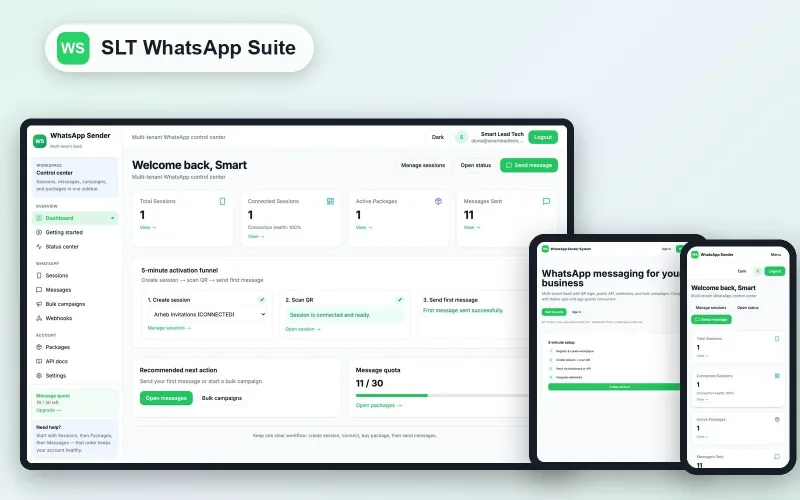
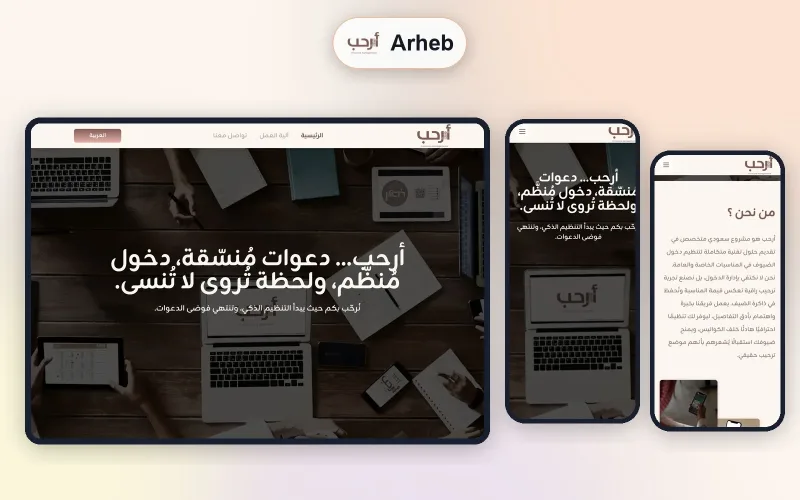
In the Arab region WhatsApp is not “a channel”; it is where business lives. We built WhatsApp agents for the Arheb invitations platform, the Passengers Management ticketing system, and order delivery in Waselly. These ni…

In the Arab region WhatsApp is not “a channel”; it is where business lives. We built WhatsApp agents for the Arheb invitations platform, the Passengers Management ticketing system, and order delivery in Waselly. These nine rules are what worked and what made people angry.
1. The agent starts by admitting it is an agent
The first message says clearly: “I am Arheb’s automated assistant. I can confirm your attendance or hand you to a person.” Transparency does not reduce trust; deception does.
2. Understanding dialect matters more than eloquent replies
“Tamam haji”, “inshallah I’ll come” and “send me the location” are all intents the agent must catch without hesitation. We train on real anonymised messages, not fabricated sentences.
3. Every real action passes through a confirmation
“Shall I confirm two seats on Thursday’s 8 AM trip? Reply Yes” — one sentence prevents a hundred complaints.
4. The human exit is always one word away
“Agent”, “human”, or plain visible anger in the message → immediate handover with a conversation summary for the employee. A customer must never loop.
5. Media is part of the conversation
In Arheb the invitation card is an image and the venue is a maps link. In Passengers Management the ticket PDF is generated and sent instantly. A text-only agent is like an employee who refuses to print.
6. Memory is short and limited on purpose
The agent remembers the current conversation only. It keeps no personal data beyond need, and does not reuse what the customer said last week without permission. That is a legal commitment before it is a technical one.
7. WhatsApp’s time windows are non-negotiable reality
Outside the 24-hour window there are no free-form messages, only approved templates. Design the conversation around this constraint instead of fighting it.
8. Measure what matters
- Share of conversations completed without human intervention.
- Handover time when a human is requested.
- Number of messages until the action (confirm, book, order).
9. The agent knows when to stay silent
A final “thanks” does not need a twenty-word reply. The single improvement that most raised customer satisfaction in Waselly was fewer agent replies, not more.
The architecture we use
WhatsApp Cloud API → routing layer (NestJS) → language model for intent → precisely defined tools (MCP or internal) → confirmation → execution. Intelligence lives in the model, safety in the tools, and trust in the confirmation.