AI inside your walls: a PDPL compliance guide that does not stall the project
The question that precedes any AI contract with a Saudi organisation today is not “how accurate?” but “where does our data go?”. The Personal Data Protection Law (PDPL) turned that worry into a legal obligation. This gui…

The question that precedes any AI contract with a Saudi organisation today is not “how accurate?” but “where does our data go?”. The Personal Data Protection Law (PDPL) turned that worry into a legal obligation. This guide explains how we build AI products that answer it architecturally, not with marketing phrases.
The principles that actually matter to an engineer
- Purpose limitation: data is processed only for the purpose it was collected for. A model that “learns from everything” is a legal problem.
- Data minimisation: collect the minimum. An unnecessary field in a KYC form is liability with no benefit.
- Limited retention: every record has an expiry. “We keep it forever” is not an option.
- Transfers outside the Kingdom: restricted and conditional. Calling an external LLM API can be a cross-border transfer.
Pattern one: in-memory processing
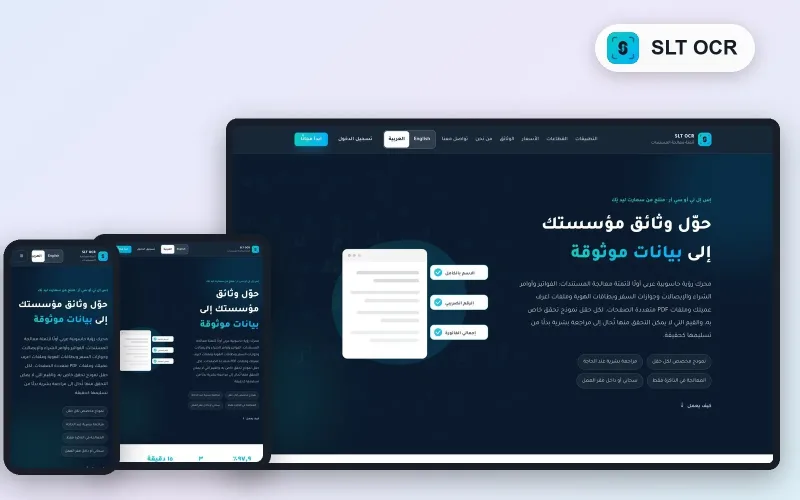
In SLT OCR documents are never written to disk. They are processed in memory, and sources live for 15 minutes before being erased. No document backups, because you cannot leak what you do not keep. This pattern answers half the data-protection officer’s questions before they are asked.
Pattern two: a container with no network
The on-premises edition is a Docker container that talks to nothing at runtime: models and lexicons are baked into the image, and the licence is digitally signed and verified locally. The organisation runs it in its own data centre, and we never see a byte. The price: model updates become releases, not silent pushes — which is actually what government bodies want.
The rule: if you cannot draw the data path on a single page from source to deletion, you are not compliant yet.
Pattern three: logs as evidence, not burden
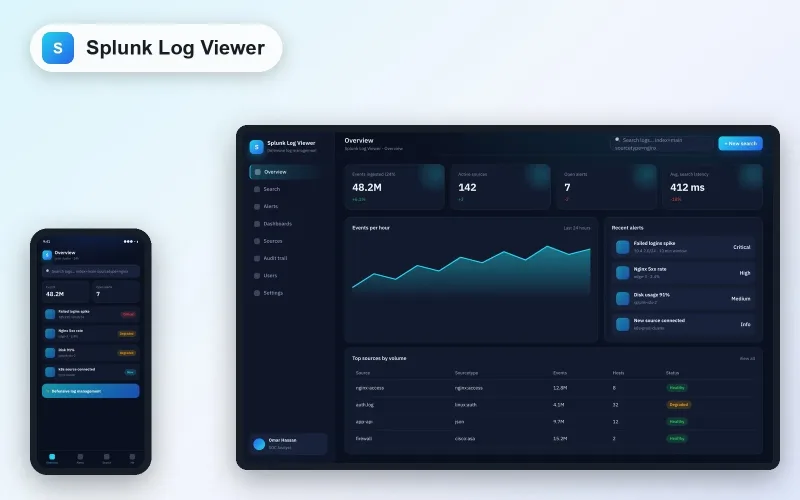
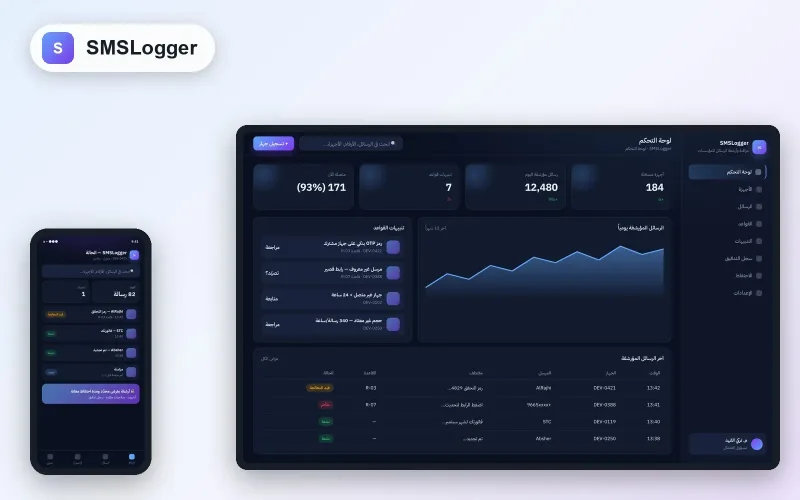
Splunk Log Viewer was built for exactly this: log ingestion, advanced search, and audit-ready storage. Who accessed which record, when and why — questions that must be answered in seconds when the auditor visits, not in a week. And SMSLogger on Android applies the same principle to enterprise SMS: archiving for a defined purpose, restricted permissions, and a declared retention period.
Pattern four: health needs an extra layer
In MediClinic (electronic medical records and prescriptions) health data is a sensitive category. Field-level encryption, encryption keys separated from the data, and documented consent for every secondary use — such as training a model or aggregate analysis.
Checklist before signing
- A data-flow map signed by both parties.
- A processing register stating purpose, duration and owner.
- A mechanism to answer data-subject requests (access, correction, deletion) within the statutory period.
- An impact assessment for any model that makes a decision affecting an individual.
- An incident-notification plan with a clear deadline.
Compliance is not an obstacle to AI; it is what makes large organisations sign in the first place. Build it into the architecture, not just the contract.