FinTech and AI: A CTO's Roadmap for GCC & Egypt in 2026
This week has brought significant momentum to the FinTech and AI sectors, particularly in our region. As a CTO, I view these developments not merely as fleeting news, but as strong indicators that compel us to re-evaluat…

This week has brought significant momentum to the FinTech and AI sectors, particularly in our region. As a CTO, I view these developments not merely as fleeting news, but as strong indicators that compel us to re-evaluate our strategies and product development. Integrating AI into FinTech is no longer a luxury; it's an imperative, yet it introduces new challenges demanding clear vision and meticulous planning.
This Week's News
- The Money20/20 Middle East conference kicked off in Riyadh, focusing on smart finance, open banking, and embedded financial services (Asharq Bloomberg).
- Fawry and DMS announced a direct integration to enhance payment operation efficiency in Egypt, underscoring the importance of integration solutions in vital sectors (Aldawlanews).
- Riyadh hosted the Global Forum on AI Ethics in collaboration with UNESCO, discussing governance and responsibility in rapid AI advancements (Al Arabiya).
- Saudi Arabia is moving towards a future AI-powered security monitoring system, indicating significant investment in smart infrastructure (Al Eqtisadiah).
- Wall Street futures declined with the postponement of OpenAI's IPO, reflecting a more cautious global investment climate impacting tech growth stocks (Investing.com).
The Convergence of FinTech and AI: A Necessity, Not a Luxury
The current landscape in the GCC and Egypt is undergoing a radical transformation. A conference the size of Money20/20 in Riyadh is not just a gathering; it's a clear signal that the region has become a hub for FinTech innovation. The discussion around Open Banking and Embedded Finance means that as software companies, or as CTOs within large corporations, we must be prepared for deeper and more complex integrations with banks and financial entities. This opens wide doors for developing new solutions, such as intelligent wealth management platforms or POS systems that seamlessly integrate with customer bank accounts, as seen in ecosystems like Smart Lead Tech's TtaKkaa POS.
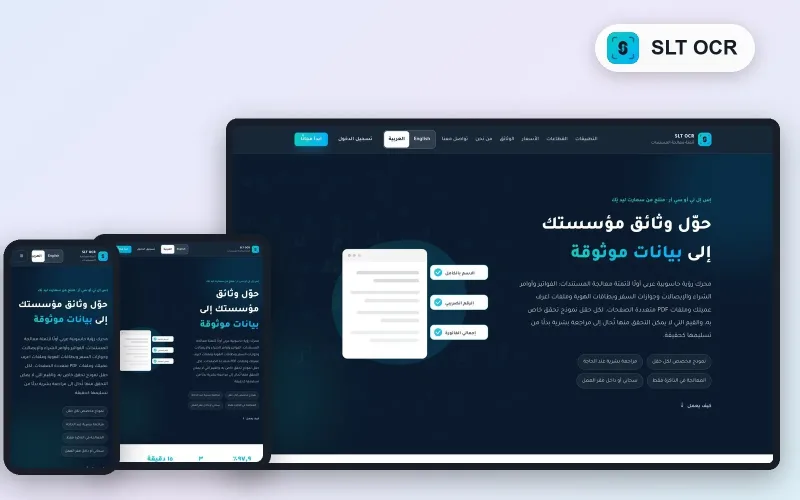
At the same time, we cannot ignore the growing role of AI. Riyadh's hosting of the Global Forum on AI Ethics, and Saudi Arabia's project for an AI-powered security monitoring system, confirm that AI is not just a tool for efficiency, but a strategic pivot tied to governance and security. This means that any FinTech solution relying on AI must be built on robust ethical foundations, ensuring transparency, fairness, and data protection. For instance, in products like SLT OCR for document data extraction, or AI-powered real estate matching systems like Real Estates Matcher, accuracy, impartiality, and data privacy must be an integral part of the design.
"Integrating AI into FinTech is no longer a luxury; it's an imperative, yet it demands a clear vision and meticulous planning that considers governance and security."
Economic Shifts and Their Impact on Product Development
The decline in Wall Street futures and the postponement of OpenAI's IPO are not just global headlines; they have direct implications for the investment environment in our region. This more cautious economic climate means that companies, especially startups, may face greater challenges in fundraising. In this context, focusing on efficiency, cost reduction, and delivering tangible value to customers becomes more critical than ever.
Direct integrations, such as those announced by Fawry and DMS in Egypt, show the way forward. Streamlining payment processes and enhancing user experience through system integration not only reduces operational costs but also fosters customer loyalty and increases efficiency. This is precisely what the market needs under current economic conditions: practical, effective solutions that deliver a clear return on investment.
Crucial Decisions for CTOs This Quarter:
- Invest in Open Banking and Embedded Finance Solutions: Our products must be capable of connecting and integrating seamlessly with other banking and financial systems. This requires exploring available APIs, building robust integration layers, and adhering to regulatory standards.
- Embed AI Ethics and Governance from the Outset: It's not enough to add AI features; we must ensure they are responsible, transparent, and fair. This includes privacy-by-design, audit mechanisms, and a deep understanding of the regional AI ethics regulatory framework.
- Focus on Efficiency and Value Addition: In a cautious investment environment, we must concentrate on building solutions that reduce operational costs for customers, increase their revenue, or significantly improve their experience. Solutions that enhance security and efficiency, like those used in smart security systems, will be in high demand.
Conclusion and Recommendation
The convergence of FinTech and AI is not just a trend; it's the future of our businesses. As CTOs, we bear the responsibility of leading this transformation with intelligence and prudence. We must build products that are not only innovative but also secure, ethical, and adaptable to a changing regulatory and economic environment.
My practical recommendation for this quarter: Evaluate your current and future product portfolio. Where can open banking and embedded financial services unlock new opportunities? How can AI enhance efficiency, security, and value, while strictly adhering to ethical principles and data protection? Start building rapid Minimum Viable Products (MVPs) for these integrations, and work closely with compliance and security teams to ensure your solutions are future-ready.
At Smart Lead Tech, we see these challenges as opportunities to build the next generation of digital solutions that meet the real needs of the market in the GCC and Egypt. Whether it's developing integrated payment platforms or secure AI solutions for critical sectors, our strategy is rooted in responsible innovation and tangible value.