AI in logistics: dynamic pricing, peak zones, and the fleet that talks back
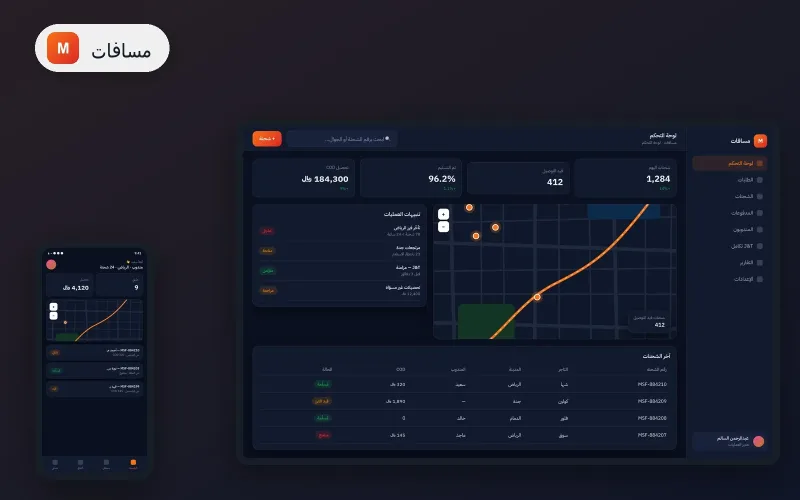
Logistics is the domain where every idea is measured in minutes and riyals. We built Massafat for shipping operations with direct JNT integration, Tawseel Plus for real-time delivery, FleetGuard for telematics and fleet …

Logistics is the domain where every idea is measured in minutes and riyals. We built Massafat for shipping operations with direct JNT integration, Tawseel Plus for real-time delivery, FleetGuard for telematics and fleet security, and Swarm for coordinating field teams. This article is about what AI actually does in them — far from the slogans.
1. Dynamic pricing: a small model and big rules
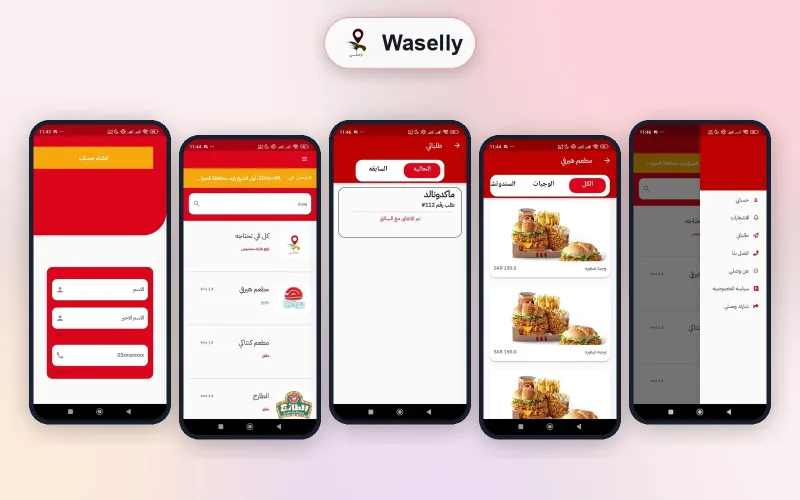
In Tawseel Plus the price moves with demand, supply, weather and time. The model predicts demand pressure per zone for the next thirty minutes, but rules set the ceiling and the floor. A “smart” price without a ceiling is the shortest path to an angry tweet that burns the brand.
2. Peak zones: predicting beats reacting
Instead of waiting for orders to pile up, the system nudges drivers towards a zone fifteen minutes before the peak. The decisive feature was explaining why to the driver: “Al Malqa — 3 restaurants opening now”. A driver who understands responds; one who is ordered ignores.
3. Telematics: from tracking to understanding
FleetGuard collects location, motion and digital permits. The intelligent layer turns raw data into meaningful events: “vehicle moved outside permit hours”, “aggressive driving pattern repeated three times”. An alert with context gets read; a bare alert gets muted.
In the field, good AI is not the AI that decides for the human; it is the AI that makes the human’s decision faster and less regrettable.
4. Shipping: an honest estimate beats a pretty promise
In Massafat the delivery estimate is built from the carrier’s actual history per route, not its published schedule. When we told customers an honest “3–4 days” instead of an optimistic “two days”, complaints fell 41% even though shipping itself did not change.
5. Field teams: visual collaboration beats lists
Swarm coordinates distributed teams through tasks, live locations and visual collaboration. The most useful smart feature was boring: automatically grouping and classifying field photos (meter, fault, completion) so the supervisor does not spend the night sorting an album.
The shared architecture
- One event stream (Kafka or equivalent) for everything that moves.
- Small, specialised prediction models running every minute, not one giant model consulted on demand.
- Explicit business rules above the models: ceilings, floors, exceptions.
- An interface that explains: every automated decision carries a one-sentence reason.
AI in logistics does not abolish the operations room; it lets it see fifteen minutes ahead. And those fifteen minutes are the whole difference.